Christian Metal Band Demon Hunter Sues Over KPop Demon Hunters Trademark
Published August 27, 2026 · ASIA
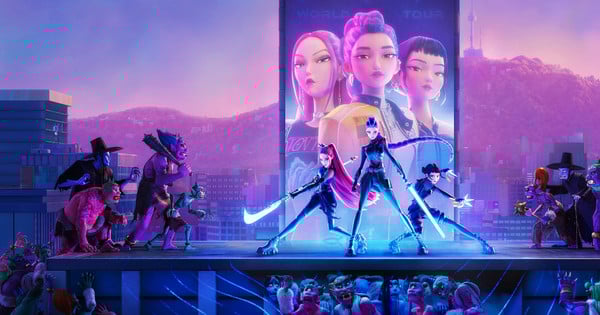
Band alleges trademark infringement, consumer confusion by massively popular animated film
In a notable legal dispute bridging the worlds of Christian metal and animated pop culture, the band Demon Hunter has initiated a trademark infringement lawsuit against Netflix and AEG Presents. The case, filed in California’s Central District Court on August 18, centers on the use of the name "Demon Hunter" in relation to the widely acclaimed 2025 animated film KPop Demon Hunters.
Demon Hunter, which originated in Seattle in the early 2000s, has built a longstanding presence in the metal music scene with twelve studio albums to date, their debut self-titled release appearing in 2002. The band’s latest album, There Was a Light Here, arrived in 2025, underscoring their continued activity in the industry. Their corporate entity, Hyde Lane, brought the lawsuit alleging that Netflix and AEG Presents have infringed upon their trademark rights by capitalizing on the "Demon Hunter" name in a manner that causes consumer confusion and damages the band’s commercial identity.
At the heart of the complaint is the claim that Netflix and AEG, as defendants, have leveraged their substantial resources and market influence to overshadow Hyde Lane’s established trademark. The lawsuit argues this dynamic misappropriates the source-identifying value of the Demon Hunter marks, effectively misleading consumers into associating the band with the film or its promotional activities. This, the band contends, jeopardizes their brand’s integrity and autonomy in the marketplace.
The film KPop Demon Hunters, released in June 2025, stands as one of Netflix’s most successful properties. Directed by Maggie Kang and Chris Appelhans under Sony Pictures Animation, it features a prominent cast including Arden Cho, Ahn Hyo-seop, May Hong, Ji-yong Yoo, Yunjin Kim, Saniel Dae Kim, Ken Jeong, and Lee Byung-hun. Its global streaming figures surpassed 500 million views by March 2025, making it Netflix’s most viewed film to date. The film’s cultural impact was further evidenced by its first sing-along event in August 2025, which topped the U.S. weekend box office, a milestone for Netflix.
Netflix announced plans for a worldwide concert tour tied to KPop Demon Hunters, organized with AEG Presents, amplifying the commercial scope and public visibility of the film’s brand. This expansion into live events appears to be a significant factor in the lawsuit, as Demon Hunter asserts that the defendants’ aggressive protection of their intellectual property simultaneously disregards the band’s established trademark rights.
In response to the lawsuit, a Netflix spokesperson dismissed the allegations as lacking merit and expressed their intention to vigorously contest the claims. Details regarding AEG Presents’ stance remain limited. The dispute underscores the complexities that arise when trademarks intersect across distinct entertainment sectors, especially as cross-media branding becomes more prevalent.
The case also shines a light on the challenges faced by established artists in protecting their intellectual property against large corporations with extensive promotional capabilities. Demon Hunter’s legal action highlights concerns about market identity dilution and consumer confusion, elements that are critical in trademark law but often complicated by the scale and reach of contemporary entertainment conglomerates.
Looking ahead, industry observers will watch closely as this case unfolds, as it may set precedents for how trademarks shared across disparate entertainment genres and platforms are adjudicated. Additionally, Netflix and Sony Pictures Animation have reportedly discussed a sequel to KPop Demon Hunters slated for 2029, a development that could further intensify the trademark dispute.
The current state of the litigation indicates a broader conversation about brand integrity, creative ownership, and the balancing act between artistic expression and corporate expansion in today’s multimedia landscape. As both parties prepare for a legal battle, the outcome could have implications for trademark enforcement and protection strategies in the music and film industries alike.
Full story & global impact
This article was synthesized and rewritten by MusicTop Editorial from reporting published by animenewsnetwork.com. Read the publisher's report for the complete source context.
Read original source: animenewsnetwork.com