“The Menace of Mechanical Music” – and of Digitization and Screens
Published October 7, 2026 · CLASSICAL
Following up on my chat with Aaron Cohen for “Arts Fuse,” I offer some further thoughts about the retrieval of cultural memory versus the instant gratification of screens: About a dozen years ago I was interviewed by a BBC reporter while visiting the Carnegie…
The ongoing transformation of how music is preserved and accessed raises profound questions about cultural memory, artistic engagement, and the role of technology in musical heritage. Over a decade ago, significant archival materials chronicling American musical history were digitized, notably by Gino Francesconi at Carnegie Hall, making them globally accessible. Yet this advancement comes with ambivalence among scholars who value the tactile connection and deep immersion offered by original documents.
Researchers who have spent extensive time in archives such as those of the New York Philharmonic, the Metropolitan Opera, and Columbia University have expressed a sense of loss amid the shift from physical handling of historical artifacts to digital surrogates. One prominent example involves the discovery of a previously undocumented speech by Anton Seidl, a pivotal figure in late 19th-century American music and a major proponent of Wagner’s works in the United States. The physical examination of fragile, uncatalogued papers provided an intimacy and context difficult to replicate through screens.
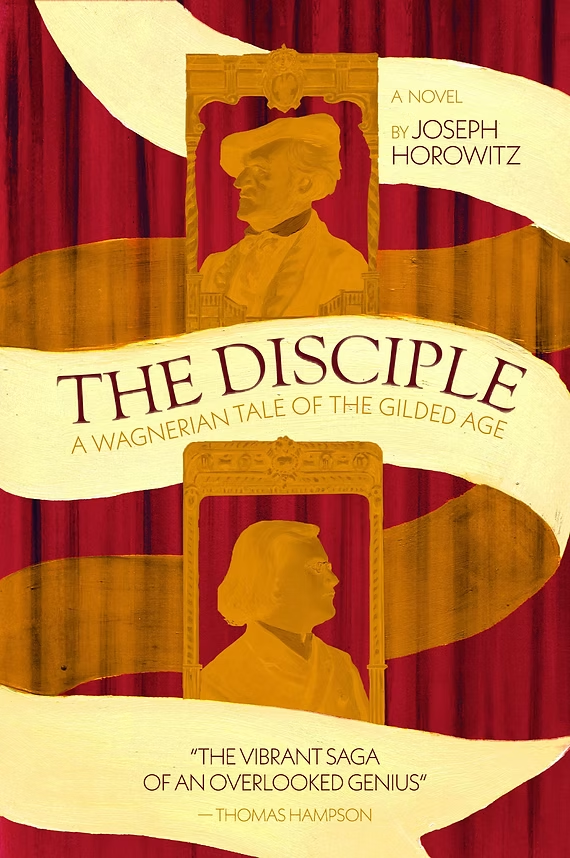
Seidl's advocacy for making high-quality music accessible to broader audiences exemplifies a cultural moment when music served as both entertainment and education in rapidly evolving urban settings like New York City. His leadership extended beyond the concert hall to summer performances at Coney Island, underscoring his dedication to cultural democratization. These historical nuances were captured in scholarly works and recently novelized to further explore the period's complexities.
Related music video
Selected for this story · Published within the last two years
Parallel to archival discoveries are historical sound recordings by figures such as Ferruccio Busoni, whose early 20th-century acoustic recordings reveal nuanced piano techniques now readily found online. However, the ease of access through platforms like YouTube risks reducing profound listening experiences to casual background noise, potentially diminishing appreciation for the artistry involved.
The tension between technological progress and musical authenticity is not new. In 1906, the renowned American composer and bandleader John Philip Sousa critiqued the phonograph's rise, foreseeing that mechanical reproduction could undermine musical skill and cultural development. He argued that recorded music might replace active participation and practice, weakening the national musical fabric and altering social dynamics traditionally centered on live performance and communal engagement.
Sousa’s concerns extended to vocal performance, predicting a decline in powerful singing styles due to reliance on microphones and recordings. He linked these shifts to broader social changes, noting how machines could disrupt the convivial and interactive nature of musical gatherings, which historically fostered community and patriotism.

The early 20th century also witnessed shifts in musical patronage and consumption. The rise of radio and commercial recordings popularized classical music to wider audiences but arguably diluted the depth of engagement. Institutions like NBC and RCA focused on established European masterworks for mass appeal, sometimes sidelining contemporary American composers and innovation. This phenomenon was critically dubbed by Virgil Thomson as the “music appreciation racket,” highlighting a disconnect between popular consumption and creative vitality.
Historical figures such as Antonin Dvorak and later Aaron Copland grappled with defining an authentic American musical voice amidst this landscape. While Dvorak encouraged American composers to draw on native influences, Copland later expressed frustration with audiences’ fixation on a narrow canon of revered European works, which he believed stifled contemporary American creativity.
The legacy of this era remains visible in the standardization of musical interpretation, often driven by an emphasis on technical precision favored by modern digital platforms. While these technologies enable unprecedented data gathering and archival research, they also challenge the patience and contextual understanding necessary for historical scholarship.
Looking back at the late 19th-century New York musical scene reveals a vibrant but complex cultural milieu. The Metropolitan Opera, under German-American leadership, was a battleground of linguistic and class tensions, with passionate audiences reacting intensely to performances. The death of Anton Seidl in 1898 was widely mourned, reflecting his deep impact on the city’s musical life.
The archival exploration of this period uncovers a richly textured world where music intersected with social identities, immigrant cultures, and evolving artistic tastes. Figures such as impresaria Laura Langford and composer Arthur Farwell contributed to this dynamic environment, promoting native compositions and engaging with the city’s diverse communities.
In sum, the digitization of musical archives offers remarkable opportunities for access and preservation but prompts critical reflection on how technological mediation shapes our relationship to musical heritage. Balancing the benefits of instant availability with the depth of embodied experience remains a central challenge for scholars, performers, and audiences invested in sustaining a vibrant, living musical culture.
Full story & global impact
This article was synthesized and rewritten by MusicTop Editorial from reporting published by artsjournal.com. Read the publisher's report for the complete source context.
Read original source: artsjournal.com