Atlanta Symphony’s Nathalie Stutzmann On Working With Orchestras
Published October 1, 2026 · EUROPA
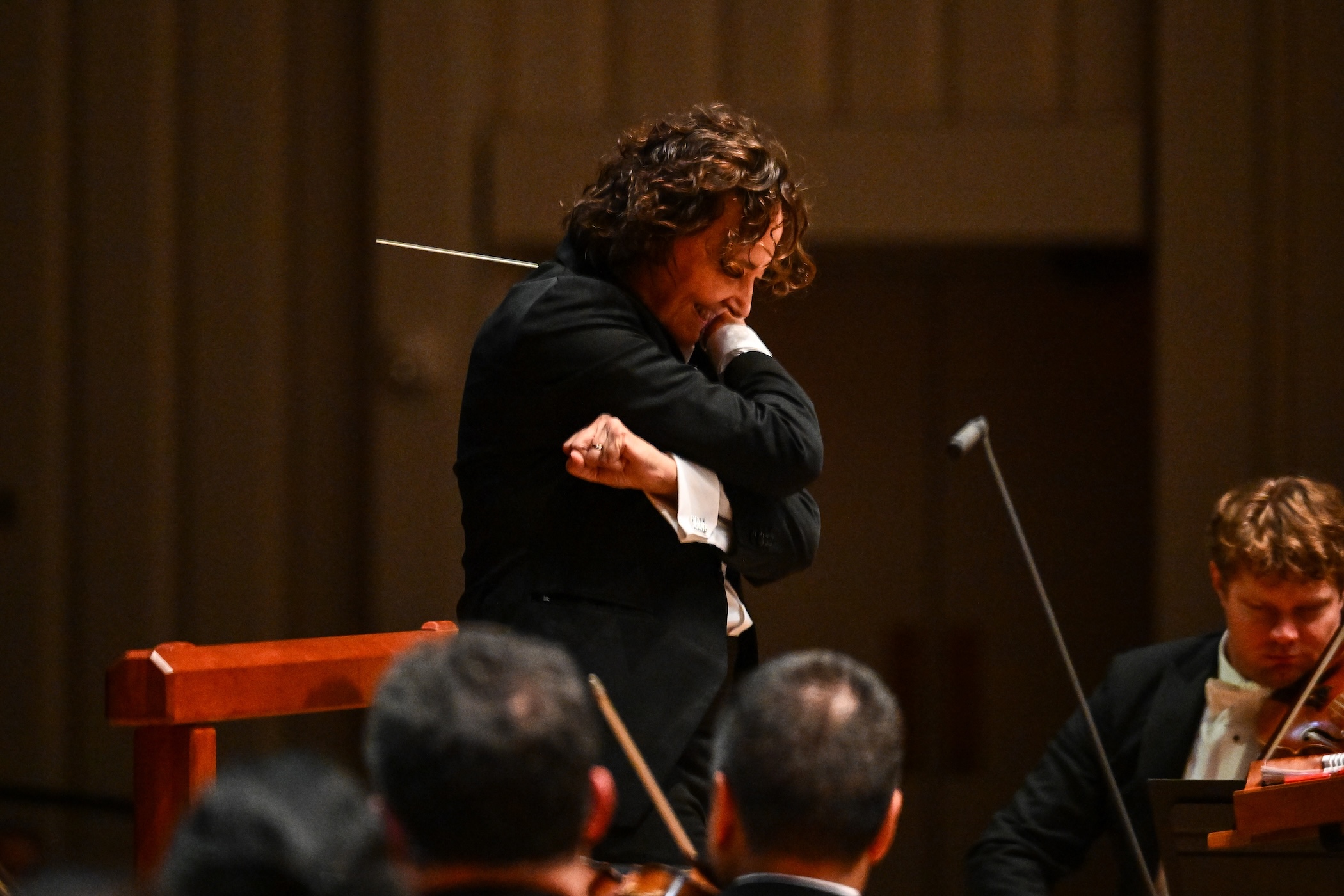
Nathalie Stutzmann, music director of the Atlanta Symphony Orchestra, was chosen to conduct Richard Wagner’s early opera, Rienzi, in July and August at Germany’s fabled Bayreuth Festival. Rienzi, which had never been performed in the historic Festspielhaus, w…
Nathalie Stutzmann, who has led the Atlanta Symphony Orchestra (ASO) as music director for over four years, is carving a distinctive path both in the U.S. and on the international stage. Recently renewed for an additional three-year term with ASO, Stutzmann is deeply invested in cultivating a unique orchestral voice grounded in the Austro-Germanic tradition.
Her commitment to continuous artistic growth is central to her leadership philosophy. Stutzmann approaches music-making as a daily craft requiring fresh interpretation, regardless of familiarity with repertoire. She stresses that achievements in performance are transient, advocating a persistent effort to uncover new nuances with each rendition. This ethos underpins her ongoing work with the ASO, where she has personally overseen the recruitment of 21 musicians, shaping the ensemble’s evolving character.
A key aspect of Stutzmann’s artistic focus is the development of a distinctive sound identity for the orchestra. Drawing on her dual heritage—half German, half French—she emphasizes the importance of mastering the Austro-Germanic repertoire that forms the cornerstone of classical orchestral literature. From Beethoven through Strauss, this body of work demands a refined sonic quality and interpretive depth that she believes will set the ASO apart nationally.
Related music video
Selected for this story · Published within the last two years
Stutzmann is mindful of the homogenization affecting many orchestras globally, where advanced technical proficiency has led to increasingly similar sonic profiles. She aspires for the ASO to reclaim individuality and expressiveness, qualities she associates with the great American orchestras of past decades. Her vision is not to compete on traditional hierarchical terms but to establish a recognizable and compelling musical identity unique to Atlanta.
Her affinity for large-scale Austro-Germanic works is reflected in recent projects, including a highly regarded recording of Bruckner’s Fourth Symphony and a season featuring Wagner’s operatic scores. Stutzmann highlights the intricate structural and emotional demands shared by composers like Bruckner and Wagner, particularly the art of handling extended climaxes and expansive melodic phrasing.
Stutzmann’s operatic engagements extend beyond symphonic repertoire, with notable appearances at prestigious houses worldwide. Notably, she recently conducted Wagner’s Rienzi at the Bayreuth Festival, marking the opera’s debut at the historic Festspielhaus during the event’s 150th anniversary. Initially unfamiliar with the full score, she embraced the challenge upon recognizing the work’s rich musical value, distinguishing it from Wagner’s lesser-known early operas.
Bayreuth’s unique orchestral pit presents formidable challenges for conductors, a reality Stutzmann acknowledges with candid insight. Success there requires acute auditory adaptation and reliance on collaborative input from assistants to navigate the space’s acoustic peculiarities. Her ability to manage these conditions was evident in her acclaimed performances of Tannhäuser in recent years and continues to bolster her reputation in the Wagnerian repertoire.
Looking ahead, Stutzmann expresses ambitions to conduct the full spectrum of Wagner’s operas, including Tristan und Isolde and the Ring cycle, projects that align with her long-term artistic goals. The ASO has plans to explore Wagner’s works further, including the first act of Die Walküre and aspirations to mount a concert version of Tristan und Isolde, a significant milestone given the opera’s absence from Atlanta’s performance history.
Though opera remains a passion, Stutzmann prioritizes her role in symphony orchestras, where she fosters deep and evolving relationships with musicians. She views her tenure with the ASO as a familial collaboration marked by both challenges and growth, resulting in performances that resonate with authenticity and emotional vitality.
Expanding her influence, Stutzmann will also assume the music directorship of the Monte-Carlo Philharmonic Orchestra, balancing this with ongoing commitments to major orchestras such as the London Symphony and Concertgebouw. Despite her expanding European presence, Atlanta remains her principal focus, underscoring the deep artistic and personal ties she has cultivated there.
Stutzmann’s tenure in Atlanta is poised to continue with the upcoming 2026-27 season, where she will lead the orchestra in its opening weekend. Her trajectory reflects a blend of steadfast dedication to tradition and a dynamic pursuit of innovation, positioning her as a vital force in contemporary classical music both in the United States and abroad.
Full story & global impact
This article was synthesized and rewritten by MusicTop Editorial from reporting published by artsatl.org. Read the publisher's report for the complete source context.
Read original source: artsatl.org