How one of the world’s biggest music stars is transforming the Spanish language
Published October 14, 2026 · LATINO
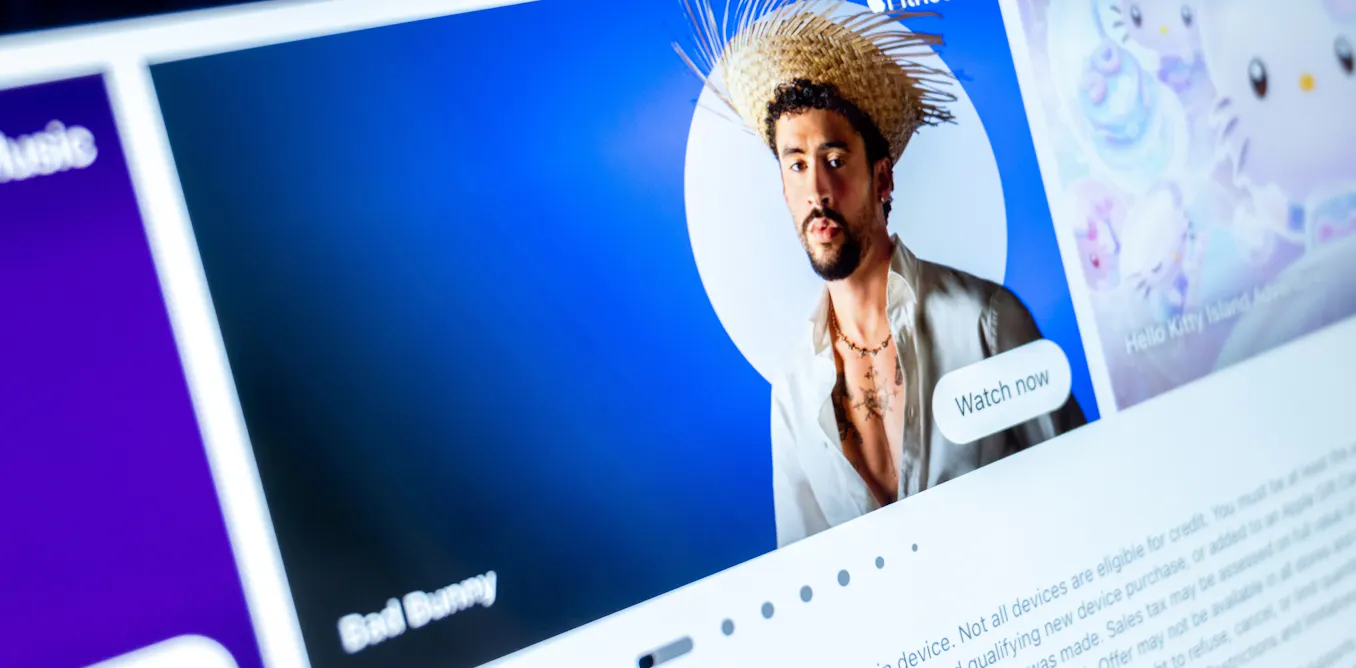
According to certain Iberian critics, Puerto Rican rapper Bad Bunny doesn’t speak ‘proper’ Spanish.
Puerto Rican rapper Bad Bunny, born Benito Antonio Martínez Ocasio, has emerged as one of the most influential figures in global Spanish-language music, not only for his chart-topping hits but also for his bold use of Puerto Rican Spanish. His linguistic style, deeply rooted in the island’s local dialect, has sparked widespread discussion about language, identity, and cultural expression across Spanish-speaking communities and beyond.
Unlike the standardized Spanish upheld by institutions like the Royal Spanish Academy (RAE), Bad Bunny’s lyrics and speech feature elements unique to Puerto Rico’s vernacular. Words such as "piquete," which traditionally refer to a sharp object or a strike by workers in formal Spanish, take on new meanings in his songs—signifying confidence, charisma, and streetwise flair. This divergence from classical definitions underscores a broader tension between formal language standards and vibrant, living dialects shaped by local culture.
Despite his enormous popularity, Bad Bunny has faced criticism from some quarters accusing him of not speaking "proper" Spanish. Complaints often target his pronunciation, use of slang, and incorporation of Spanglish expressions. However, these critiques reveal more about entrenched linguistic hierarchies and prejudices than about the artist’s actual command of Spanish. His style reflects a dynamic, hybrid linguistic identity that resonates with millions worldwide, particularly among younger generations and diasporic communities.
Related music video
Selected for this story · Published within the last two years
The global reach of Bad Bunny’s music is evident in the widespread recognition of his Puerto Rican expressions far beyond Spanish-speaking countries. Following his half-time performance at the Super Bowl, for instance, tracks like "NUEVAYoL" saw viral international searches, including in markets such as Germany, Italy, France, and the United Kingdom. This demonstrates that audiences are engaging with his music not solely through comprehension but through the cultural and emotional connections conveyed by his distinctive voice.
Scholars analyzing Bad Bunny’s impact argue that his embrace of his native dialect within the global music industry operates as a form of cultural resistance. Rather than conforming to dominant linguistic norms, he asserts Puerto Rican identity and highlights the island’s socio-political realities, as exemplified in songs addressing issues like infrastructure fragility and colonial legacies. By performing in Puerto Rican Spanish on prestigious platforms such as the Grammys, the Oscars, and the Super Bowl, he expands the boundaries of what is considered acceptable and marketable in international entertainment.
Importantly, Bad Bunny’s artistic approach contrasts with the historical trend among Latin American artists who often felt compelled to produce English-language content to reach wider audiences. His success with exclusively Spanish lyrics, peppered with bilingual slang that reflects everyday life and multicultural experiences, challenges conventional marketing strategies. This fluid blending of languages aligns with linguistic theories that emphasize the interconnectedness of bilingual speakers’ repertoires rather than rigid code-switching.

In recognition of his cultural influence, the Puerto Rican Academy of Letters honored Bad Bunny in February 2026 for promoting global awareness of the Spanish language through his music. The accolade highlights his role in breaking down linguistic prejudices related to urban and youth dialects, and for transcending geographic and generational boundaries despite the local specificity of his expressions.
However, this rising prominence of Puerto Rican Spanish also prompts critical reflection on the diversity within the Spanish language itself. Experts caution that the burgeoning dominance of Caribbean dialects in global media may overshadow other Latin American linguistic varieties, potentially narrowing the representation of the language’s rich plurality. This concern underscores the need to balance appreciation for Bad Bunny’s unique contributions with ongoing efforts to celebrate linguistic diversity across Spanish-speaking communities.
Ultimately, Bad Bunny’s linguistic footprint signals a transformative moment for the Spanish language. Far from signaling decay or marginalization, the widespread adoption and acceptance of his dialectical style reveal Spanish’s adaptability and vibrancy. His music exemplifies how language evolves in response to cultural shifts and how the voices of local communities can reshape global perceptions, granting the language a renewed energy and relevance that reverberates far beyond its traditional centers of influence.
Full story & global impact
This article was synthesized and rewritten by MusicTop Editorial from reporting published by theconversation.com. Read the publisher's report for the complete source context.
Read original source: theconversation.com