Irish blood, English headstart in the battle of the bands
Published September 27, 2026 · UK
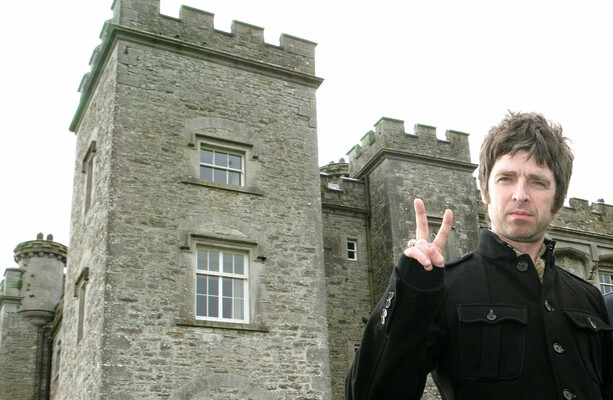
It was easier for second-generation Irish bands to get ahead in the UK, despite Michael Lowry’s Féile efforts.
The trajectory of Irish bands within the music industry reveals a nuanced dynamic between cultural identity and geographic opportunity. Recent observations indicate that bands comprised of second-generation Irish musicians have found comparatively smoother pathways to success in the UK music scene than their counterparts operating solely from Ireland.
Efforts to bolster the Irish music industry domestically, including initiatives such as the Féile festival spearheaded by Michael Lowry, have aimed to cultivate a vibrant platform for emerging talent within Ireland. However, these endeavors have not fully mitigated the advantages that proximity and cultural integration confer upon Irish-descended artists working in the United Kingdom.
The predominance of second-generation Irish bands in the UK underscores the significance of access to larger markets and established industry infrastructure. These artists benefit from the dual heritage of Irish roots and British cultural immersion, enabling them to navigate and capitalize on opportunities that might be less accessible within Ireland's more limited music ecosystem.
This phenomenon highlights a broader trend in which diaspora communities leverage their transnational connections to advance their creative careers. By situating themselves within the UK, these musicians tap into a more extensive network of venues, media outlets, and record labels, thus enhancing their visibility and commercial viability.
Despite the strategic importance of domestic festivals and initiatives designed to promote Irish music, the disparity in breakthrough success stories between native and second-generation Irish bands suggests systemic challenges within Ireland's music industry infrastructure. These include limited industry scale, market constraints, and perhaps insufficient promotional mechanisms to sustain long-term artist development on a global scale.
The reported observations by thejournal.ie emphasize that while cultural festivals like Féile play a valuable role in celebrating Irish music heritage, they have not entirely equalized the playing field for bands seeking international exposure. Instead, a significant number of Irish-origin artists continue to gravitate toward the UK, where cultural duality and market size offer a strategic advantage.
This situation invites reflection on the structural factors influencing music industry success for Irish artists. It raises questions about how Ireland might evolve its support systems to better retain talent and foster international careers without necessitating relocation or bicultural adaptation.
As the music landscape continues to evolve with digital platforms and global connectivity, the interplay between national identity and geographic opportunity remains critical. The case of second-generation Irish bands exemplifies how cultural heritage and location can intersect to shape the prospects of emerging musical acts.
While details remain limited regarding the full scope of the impact of initiatives like Féile and the experiences of bands on both sides of the Irish Sea, the existing evidence points to a persistent advantage for those positioned within the UK music industry framework. This underscores the ongoing importance of cross-border dynamics in the success trajectories of Irish musicians.
In summary, the path to prominence for Irish bands often involves navigating complex cultural and geographic landscapes. Second-generation Irish artists in the UK have leveraged their unique positioning to access opportunities that remain more challenging for groups based solely in Ireland, despite domestic efforts to nurture homegrown talent. The evolving relationship between Irish identity and the wider music market continues to shape the future of Ireland's musical exports.
Full story & global impact
This article was synthesized and rewritten by MusicTop Editorial from reporting published by thejournal.ie. Read the publisher's report for the complete source context.
Read original source: thejournal.ie